
Energy Performance Certificate
& Inspection

DOMESTIC EPC ASSESSMENTS
A Domestic Energy Performance Certificate (EPC) is a legal requirement when selling or letting a property. It provides a clear picture of your home’s energy efficiency, helping buyers and tenants understand expected running costs before they commit.
At CertSure, our accredited assessors carry out EPC inspections with precision and professionalism, delivering fast, reliable reports you can trust.
WHEN IS A DOMESTIC EPC NEEDED?
You must have a valid EPC whenever a residential property is marketed for sale or rent.
An EPC is also required for new builds and certain renovations.
Only a few exceptions exist — such as listed buildings where improvements may not be permitted, temporary structures used for under two years, or holiday homes let for less than four months per year.
Although originally introduced in 2007, EPCs remain a core part of UK property compliance and apply to:
- Domestic EPCs
- Commercial EPCs
- Display Energy Certificates (DECs)
WHY DO I NEED A DOMESTIC EPC?
An EPC is a legal obligation, but it’s also an essential transparency tool. It allows buyers and tenants to understand how energy-efficient a property is before agreeing to a contract.
A stronger EPC rating can make a home more appealing, reduce energy concerns, and improve long-term value. For landlords and sellers, it’s a simple way to demonstrate responsibility and reassure potential occupants.
WHAT IS A GOOD EPC RATING?
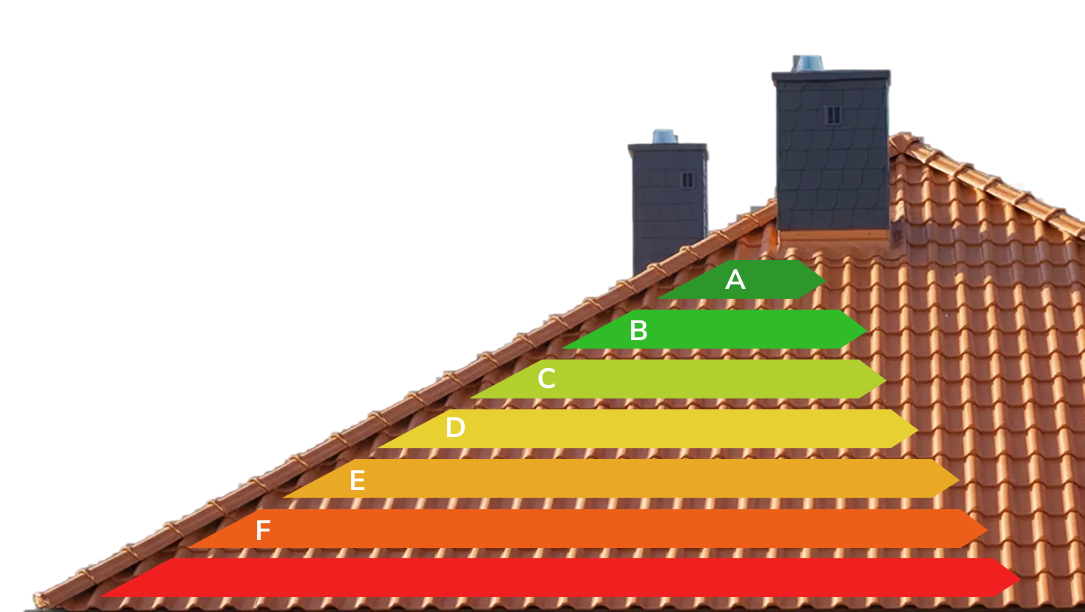
EPC ratings run from A to G, with A being the most efficient. Properties also receive a numerical score from 1–100.
Most UK homes fall into the D band, typically scoring between 55–65.
A rating above D-60 indicates your property performs better than the national average.
WHAT HAPPENS DURING AN EPC ASSESSMENT?
Your assessor will review and photograph key energy-related elements of the home, including:
- Windows and glazing
- Heating systems and controls
- Boiler and radiators
- Insulation (where visible or evidenced)
- Construction type and layout
- Lighting and ventilation
This information is entered into approved software that calculates your official energy rating and produces your EPC report. You’ll receive your certificate along with recommendations to improve efficiency, where applicable.
HOW TO PREPARE FOR A DOMESTIC EPC
To ensure an accurate assessment:
- Provide clear access to heating systems, windows, controls, and loft hatches.
- Share any paperwork relating to insulation upgrades, new boilers, window replacements, or renewable installations.
- Move furniture or items that block access to areas the assessor needs to inspect.
Assessors will not lift flooring or remove wall coverings — if upgrades aren’t visible, documentation is the best way to ensure improvements are reflected in your final rating.
Explore Related services
.jpg)
.jpg)
book ahead.
stay compliant.